Mental Health
Mental wellness or good mental health is feeling, thinking, and interacting in ways that help you enjoy life and deal effectively with difficult situations. It is a feeling of emotional and spiritual well-being that respects the importance of culture, equity, social justice, relationships and personal dignity (Centre for Health Promotion, University of Toronto, 1997).
Without mental wellness, people can be unable to fulfil their full potential or play an active part in everyday life. Mental health issues can include many areas, from enhancing our emotional well-being, to treating and preventing mild to severe mental illness, to the prevention of suicide.
Mental illnesses indirectly affect all Canadians—through illness in a family member, friend or colleague. Twenty percent of Canadians will personally experience a mental illness during their lifetime. More than 70% of adults living with mental health problems developed symptoms in childhood or early adolescence.
- Benefits of Mental Wellness
- What can YOU do to take care of your mental health?
- What can FAMILY members do to promote mental wellness?
- What can SCHOOLS do to promote mental wellness?
- What is a Mental Health Problem?
- What is a Mental Illness or Mental Disorder?
- What is Mental Health Literacy?
- Where Can I Go For Help?
- Sources and Resources
Mental wellness gives you a sense of
- self-worth
- dignity
- belonging
- problem-solving
- self-determination
- tolerance
- acceptance and respect for others
so that you can
- realize your full potential
- understand and feel good about yourself
- relate to others and expand your social support networks
- experience pleasure and enjoyment
- handle stress
- assess challenges and problems
- set goals and follow interests
- explore choices and make decisions
- have power and control over your life
- develop good problem-solving and coping skills
- bounce back from negative experiences that everyone encounters
Did you know...?
- Mental wellness is as important to overall well being as physical health, social and emotional connectedness, and intellectual accomplishment.
- A U.K. study found that the specific traits associated with mental wellness at age 10 are significant indicators of employment and earnings at age 26 – as significant as academic ability.
- Support from family and friends is important for positive mental and physical health.
- Having even one supportive adult (parent, close friend, teacher, coach, or youth worker) can prevent a child/youth from developing mental disorders and/or abusing substances.
For more information about the mental health of Canadian children and youth, see the Public Health Agency of Canada’s reports The Health of Canada’s Young People: a mental health focus (2011), and Healthy Settings for Young People in Canada (2008) and the related HBSC fact sheets Bullying and Fighting Among Canadian Youth (2009/10) and Emotional Health Among Canadian Youth (2008).
What can YOU do to take care of your mental health?
The National Canadian Mental Health Association has ten tips for good mental health:
- Build Confidence - Identify your abilities and weaknesses together, accept them, build on your abilities, and do the best with what you have.
- Eat Right, Keep Fit - A balanced diet, exercise and rest can help you to reduce stress and enjoy life.
- Make Time for Family and Friends - Important relationships need to be nurtured. If taken for granted, these people may not be there to share life's joys and sorrows.
- Give and Accept Support – Positive friends and healthy family relationships show their strength during difficult times.
- Create a Meaningful Budget - Financial problems cause stress. Over-spending on our "wants" instead of our "needs" is often the culprit.
- Volunteer - Being involved in community gives a special sense of purpose and satisfaction.
- Manage Stress - We all have stress in our lives but learning how to deal with it when it threatens to overwhelm us helps to maintain our mental health.
- Find Strength in Numbers - Sharing a problem with others who have had similar experiences may help you find a solution and will make you feel less isolated.
- Identify and Deal with Moods - We all need to find safe and constructive ways to express our feelings of anger, sadness, joy and fear.
- Learn to Be at Peace with Yourself - Get to know who you are, what makes you really happy, and learn to balance what you can and cannot change about yourself.
Mental Health Promotion raises awareness and understanding of mental health issues and reduces the stigma of mental illness though education and training. Parents and teachers can play a significant role in promoting mental health in their children and students.
What can FAMILY members do to promote mental wellness?
- Help children to recognize and celebrate their strengths.
- Provide a safe place where children can talk about things that are concerning them.
- Help children to problem solve and develop action plans to address difficult situations.
- Encourage children to be active in a variety of school and community activities.
- Make sure that children have some time to unwind and relax in between scheduled activities.
- Help children to understand the connection between physical and mental health.
- Emphasize the importance of healthy lifestyle choices.
- Help children learn the skills and empower them to make good decisions.
- Talk about balance and choice with children.
- Promote a healthy body image by positive role modelling (for example, not making negative comments about anyone’s weight and appearance).
What can SCHOOLS do to promote mental wellness?
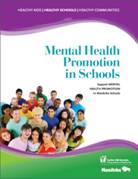
Support MENTAL HEALTH
PROMOTION in Manitoba Schools 
The Joint Consortium for School Health has developed a number of tools and resources to help schools take action on promoting positive mental health:
- JCSH Positive Mental Health Toolkit (2012) A how-to guide for schools;
- Making the Grade: Positive Mental Health Practices in Schools (2011) A 2-page overview of better practices in Positive Mental Health;
- Schools as a Setting for Promoting Positive Mental Health: Better Practices and Perspectives (2010) An in-depth look at the better practices using the comprehensive school health approach; and
- Mental Resilience: Quick Scan of Activities and Resources in Resilience/Positive-Asset Based Social Development in Canadian Schools (2009) A scan of resources currently used in Canadian schools.
What is a Mental Health Problem?
Mental Health Problems are struggles and difficulties that affect everyone from time to time. Everyone experiences mental health problems at some time, and these problems can affect their ability to handle day-to-day situations and enjoy life. These types of problems do not always require medical treatment. Some people recover from their mental health problems with self-help and support from others; others require professional help.
Associated with mental health problems are:
- low self-esteem
- frustration or anger
- behaviour problems
- school learning problems
- feeling stressed
- worry
- sleeping problems
How to Encourage Healthy Body Image at School
What is a Mental Illness or Mental Disorder?
Mental Illness or Mental Disorder refers to a diagnosed condition (e.g., Depression, Attention Deficit Hyperactivity Disorder, Bipolar Disorder, Addiction, or Schizophrenia) that may require medical treatment. The exact cause of many mental illnesses is unknown, but current theories suggest that some illnesses are related to the chemistry of the brain. There are many things that may play a role in causing or triggering a mental illness. For example, genetic factors, such as having a parent or close relative with a serious mental illness, may increase a person’s likelihood of developing a mental illness. Stress may act as a trigger for a mental disorder or may make it worse.
Common mental health problems or disorders associated with children and youth include:
- Anxiety and Obsessive Compulsive Disorder
- Bullying and Physical Violence in Schools
- Co-Occurring Disorders
- Eating Disorders/Body Image
- Mood Disorders (Depression)
- Psychosis and Schizophrenia
- Substance Abuse and Addictions
- Suicide
What is Mental Health Literacy?
Mental health literacy is the knowledge and beliefs about mental problems and disorders that help us recognize, manage or prevent them. It includes:
- being able to recognize specific mental health disorders;
- knowing how to get mental health information;
- knowledge of risk factors and causes, of self-treatments and of professional help available; and
- having attitudes that recognize that there is a problem, and let us seek help (Jorm, et al., 1997).
For parents and educators, mental health literacy is an important factor in providing support for children with mental health problems or disorders. Mental health literacy can also help reduce stigma by changing the language used to describe mental health and individuals with mental health issues.
Stigma is the use of stereotypes and labels when describing someone. Stereotypes are often attached to people who are suffering from a mental illness. Our society tends to not give the same acceptance to mental disorders as we do to other organ disorders (e.g. diabetes or heart disease). This stigma can limit opportunities, it can stand in the way of a new job, it can increase feelings of loneliness, and it can cause many other outcomes. Anyone with a mental health problem must know that it is not their fault and that it is OK to ask for help.
Where Can I Go For Help?
If you are having an immediate mental health crisis, please click here to see a listing of mental health crisis lines and services available in Manitoba or contact the Youth Emergency Crisis Stabilization System at MacDonald Youth Services in Winnipeg.
Mental health services are provided by family doctors, mental health clinicians, psychiatrists, and other professionals. Start with your family doctor or school guidance counselor. For more mental health services in your region, contact your local Regional Health Authority.
Sources and Resources:
-
Canadian Institute for Health Information. (2009). Improving the Health of Canadians: Exploring Positive Mental Health Ottawa: Canadian Institute for Health Information.
- Canadian Mental Health Association. Ten Tips for Mental Health.
- Centre for Health Promotion, University of Toronto. (1997). Proceedings from the International Workshop on Mental Health Promotion. Toronto.
- Hoffman, J. (2010). Kids Can Cope: Parenting Resilient Children at Home and at School . Parenting for Life. Toronto, ON, Canada: Psychology Foundation of Canada.
- St. John, T., Leon, L., McCulloch. (2004). Lifetime impacts – Childhood and adolescent mental health: Understanding the lifetime impacts. Report of a seminar – Office of Health Economics and the Mental Health Foundation, April 26, 2004.
- Buchanan, D., Colton, P., & Chamberlain, K. (2010, September). Making a Difference: An Educators' Guide to Child and Youth Mental Health Problems
- Child and Youth Committee of the Mental Health Commission of Canada.
Evergreen: A Child and Youth Mental Health Framework for Canada (2010)
- Family Services Thames Valley(ON). (n.d.). mindyourmind.ca.
- Jorm, A., Korten, A., Jacomb, P., Christensen, H., Rodgers, B., & Pollitt, P. (1997). “Mental health literacy”: a survey of the public’s ability to recognise mental disorders and their beliefs about the effectiveness of treatment. Medical Journal of Australia, 166, 182-186.
- Kim-Cohen, J., Caspit, A., Moffitt, T., Harrington, H., Milne, B., & Poulton, R. (203). Prior juvenile diagnoses in adults with mental disorder - Developmental follow-back of a prospective longitudinal cohort. Archives of General Psychiatry, 60, p. 709.
- Mental Health Commission of Canada. (2011). Mental Health First Aid.
- Mental Health Commission of Canada. Opening Minds: Mental Illness and Stigma Initiative.
- Ontario Centre for Excellence for Child and Youth Mental Health. Mental health literacy workshop.
Healthy Schools is a partnership of:
Health | Education and Early Childhood Learning | Child and Youth Programs