Hepatitis A
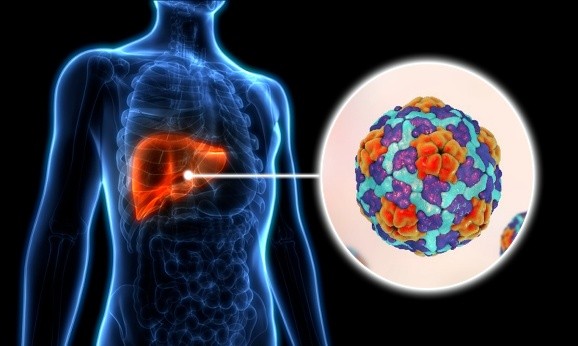
Hepatitis A is an acute liver infection caused by the hepatitis A virus (HAV). The infection can easily be spread to others by drinking water or eating food that has been contaminated by the feces (stool) of an infected person. Hepatitis A is common in areas where there is poor sanitation. A vaccine is available to prevent the disease.
On This Page:
- 2025 Outbreak Update
- Symptoms
- Causes
- Risk Factors
- Treatment
- Prevention
- Media Bulletins
- Manitoba Health Resources
2025 Outbreak Update
Manitoba Health has been monitoring increased cases of hepatitis A that are being transmitted from person to person in Manitoba and have been confirmed by laboratory analysis to be the same strain. In response to the outbreak, hepatitis A immunization is being provided to people who have contact with cases or have potential common exposures. Overall, the risk of exposure to hepatitis A for the general public is low.
In response, effective July 2026, Manitoba Public Health has expanded outbreak eligibility for hepatitis A vaccine to:
- all Manitobans aged 6 months or older are eligible to receive one free dose of hepatitis A vaccine if they meet one or more of the following criteria:
- live in an Indigenous community in Manitoba; OR
- travel regularly to Indigenous communities; OR
- have household visitors from Indigenous communities in Manitoba;
- all children born on or after January 1, 2010, who meet one or more of the criteria above continue to be eligible to receive a second dose of hepatitis A vaccine.
- Inmates of correctional facilities;
- Staff and volunteers of non-healthcare community-based organizations in Winnipeg serving people experiencing homelessness.
If you are eligible and would like to receive the hepatitis A vaccine please contact your health care provider, or your local public health office or nursing station.
For further information about hepatitis A including risk factors, prevention, and routine hepatitis A vaccine eligibility, please see below.

Symptoms
Some people infected with hepatitis A, especially young children, have no symptoms. Others can develop a range of symptoms from mild to severe. If symptoms do develop, the onset is abrupt, and can include the following:
- fever
- loss of appetite
- tiredness
- nausea and vomiting
- stomach cramps or abdominal pain
- diarrhea
- dark urine and/or clay-coloured stools
- jaundice (yellowing of the skin and eyes)
Symptoms of hepatitis A usually develop within 14 to 28 days after being exposed to the HAV but can occur up to 50 days after the exposure.
Depending on the severity of the illness, those with mild symptoms often recover within one to two weeks. The illness can be more severe in some people, especially in those that have a weakened immune system, those with chronic liver disease, and people over the age of 60 years. Those with a severe illness can have symptoms for several months.
Hepatitis A does not cause chronic liver disease. However, in rare cases, it can cause fulminant hepatitis (acute liver failure), which may be fatal.
People infected with hepatitis A can spread the disease to others during the two weeks before symptoms develop, and generally up to one week after jaundice or other symptoms develop. Those without symptoms can also spread the disease to others while they are infected.
Causes
The hepatitis A virus is found in the stool and blood of people who are infected. Hepatitis A is most commonly spread from person to person by unknowingly eating/drinking small, undetectable amounts of virus from the feces (poop) of an infected person. This can occur from:
- close personal contact with someone who is ill (e.g., changing diapers);
- touching an object someone who did not wash their hands touched earlier and then touching your mouth (e.g. doorknobs, toys, utensils);
- eating food or drinking water that has been contaminated by the feces (poop) of an infected person such as:
- food prepared by an infected person;
- fruits or vegetables contaminated by sewage during cultivation or harvesting;
- raw or undercooked shellfish that have been in waters contaminated by sewage;
- sexual contact with an infected person;
Improper hand washing and food handling contribute to the spread of illness.
Hepatitis A can also be spread through blood by sharing needles or other equipment used to prepare or inject drugs.
Risk Factors
Anyone can get hepatitis A, but some people are at a higher risk of exposure, including:
- people living in a household with an infected person;
- people living in communities where hepatitis A is common;
- people who have sexual contact with an infected person;
- people who inject drugs;
- people experiencing homelessness;
- people living in areas without access to clean water and sewage systems;
- people who travel to areas where there is ongoing spread of hepatitis A.
Diagnosis and Treatment
Testing for hepatitis A requires a blood test ordered by a health care provider.
There is no specific antiviral treatment for hepatitis A. Treatment includes rest, drinking plenty of fluids, eating a healthy diet, and avoiding alcohol or other substances that can strain the liver. Most people can recover at home. Some may need to be hospitalized if their symptoms are severe.
Prevention
Hepatitis A can be prevented by getting immunized with a hepatitis A vaccine.
- The vaccine is available for free for people that have certain high risk medical conditions or risk factors. For further information see the Eligibility Criteria for Manitoba’s Publicly Funded Immunization Program - Hepatitis A. If you meet the eligibility criteria, you can get the vaccine through your health care provider or local public health office.
- If you are planning to travel outside of Canada, see your health care provider or a travel health clinic at least 6 weeks before you travel to check if a hepatitis A vaccine is recommended. (Note: Manitoba Health does not cover the costs for hepatitis A vaccines related to travel). For further information for countries of concern, you can also refer to Travel Vaccinations - Travel.gc.ca
You can reduce your risk of getting hepatitis A by:
- washing your hands with soap and water after using the toilet, handling diapers, and before eating or preparing food. If soap and water are not available for handwashing, clean hands with an alcohol-based hand sanitizer. For additional information, refer to the Manitoba Health Resources section below;
- using safe food practices;
- taking precautions with food and water when in areas where hepatitis A may be present:
- drink water from sources that have been chlorinated, or boil water if you don’t know if it is safe;
- eat foods that are well-cooked;
- avoid consuming water from streams, lakes, or swimming pools;
- following safe sex practices;
- not sharing needles or syringes.
If you develop symptoms after contact with a person with hepatitis A or after being in an area with known hepatitis A activity, you should see a health care provider for assessment.
If you are diagnosed with hepatitis A, you can prevent spreading the illness to others by:
- avoiding preparing or handling food for others;
- washing your hands with soap and water after using the toilet, handling diapers, and before eating or preparing food. If soap and water are not available for handwashing, clean hands with an alcohol-based hand sanitizer;
- frequently cleaning and disinfecting washroom facilities that you use;
- placing soiled diapers in a leak proof plastic bag prior to disposal;
- limiting direct contact with people at higher risk of severe hepatitis A illness (e.g., older adults and those with a weakened immune system);
- avoiding use of pools, hot tubs, and other recreational waters.
If you are employed as a food handler, health care worker or childcare worker, you should report your symptoms to your manager and see your health care provider for assessment and testing. If you test positive for hepatitis A infection, you should not attend work until one week after jaundice started, or one week after the start of your symptoms if you did not get jaundice, or as directed by Public Health.
Children that attend a childcare facility should stay home until one week after jaundice started or one week after symptoms have started. If they have no symptoms but have tested positive for hepatitis A, public health will provide further guidance for when your child can return to the child care facility.
Media Bulletins
- Province Announces Updated Eligibility for Free Hepatitis A Vaccine – July 24, 2026
- Province Announces Updated Eligibility for Free Hepatitis A Vaccine Ahead of 2026 Manitoba Indigenous Summer Games – July 3, 2026
- Province Announces Updated Eligibility for Free Hepatitis A Vaccine – June 18, 2026
- Province Further Updates Hepatitis A Vaccine Criteria – May 22, 2026
- Province Encourages Eligible Manitobans to Access Hepatitis A Vaccine – May 8, 2026
- Province Expands Hepatitis a Vaccine Criteria During Outbreak – December 23, 2025
Manitoba Health Resources
For the Public
- Hepatitis A Factsheet - Manitoba Health

- Hepatitis A Vaccine Factsheet - Manitoba Health
- Adult Handwashing Procedure - Manitoba Health
- Child Handwashing Procedure - Manitoba Health
- Use of Alcohol-Based Hand Sanitizer - Manitoba Health
- Diapering Procedure- Manitoba Health
- Hepatitis A Information for Food Handlers and Food Handling Establishments
- Hepatitis A Information for Recreational Water Facilities
For Health Care Providers
- Hepatitis A Vaccine Eligibility to Include All Manitobans in Indigenous Communities (July 2026)
- Additional Updates to Hepatitis A Vaccine Outbreak Eligibility to Shamattawa First Nation (July 2026)
- Additional Updates to Hepatitis A Vaccine Outbreak Eligibility to Norway House Cree Nation and Sagkeeng Anicinabe Nation (July 2026)
- New Hepatitis A Immunization Eligibility for Outbreak Response (June 2026)
- Additional Updates to Hepatitis A Vaccine Outbreak Eligibility to Tataskweyak Cree Nation (Split Lake Cree First Nation) (May 2026)
- Additional Updates to Hepatitis A Vaccine Outbreak Eligibility to Cross Lake First Nation (Pimicikamak Cree Nation) (May 2026)
- Additional Updates to Hepatitis A Vaccine Outbreak Eligibility to Ebb and Flow First Nation (May 2026)
- Letter to Health Care Providers RE: Expansion of Hepatitis A Vaccine Eligibility to Bloodvein River First (May 2026)
- Letter to Health Care Providers RE: Hepatitis A Vaccine Outbreak Eligibility Expansion to include War Lake First Nation, also known as the community of Ilford (April 2026)
- Letter to Health Care Providers RE: Clarifying Hepatitis A Vaccine Eligibility for People Experiencing Homelessness (February 2026)
- Letter to Health Care Providers RE: Hepatitis A Vaccine Outbreak Eligibility Expansion in Peguis (February 2026)
- Manitoba Health - Hepatitis A Communicable Disease Protocol
- Hepatitis A Vaccine Quick Reference Guide (June 2026)
- Letter to Health Care Providers RE: Hepatitis A in the Island Lake Area (November 2025)
Other Resources
- Hepatitis A - Public Health Agency of Canada
- Hepatitis A and Sexual Transmission Fact Sheet - CATIE
- Hepatitis A Vaccines - Canadian Immunization Guide
- Hepatitis A - World Health Organization (WHO)
Communicable Disease Control (CDC)
Public Health
Manitoba Health
4th Floor - 300 Carlton St.
Winnipeg MB R3B 3M9 CANADA
Health Links – Info Santé
204-788-8200 or 1-888-315-9257