Common Manitoba Hay Species
Manitoba is recognized for producing high-quality hay, thanks to its fertile soils, long growing season, and favorable climate. These conditions allow for easy production of mold-free hay, while cold winters minimize insect pests. Buyers seeking premium forage products will find Manitoba an ideal source. The following species are commonly grown and make excellent horse hay, available as straight legume, grass, or mixed stands.
Grass Species
- Smooth Brome
Tall, soft, leafy stems; highly palatable; cures to dark brown-green hay.
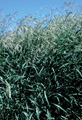
- Orchard Grass
Leafy, bright green hay; very palatable; thrives in moist areas; often mixed with alfalfa.
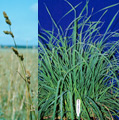
- Meadow Brome
Leafy with few stems; good regrowth; soft medium-green hay; combines well with alfalfa.
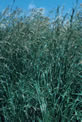
- Intermediate Wheatgrass
Tall, medium-coarse stems; cures to medium green, dust-free hay; palatable for horses.
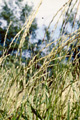
- Timothy
Traditional horse hay; bright lime-green color; dust-free; ideal for mature horse diets.
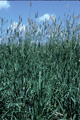
- Crested Wheatgrass
Fine-stemmed, leafy; cures to medium green hay; quality declines after heading; favored by PMU operators.
Legume Species
- Alfalfa
Highly palatable; rich dark green color; nutrient-dense, ideal for mares in late gestation, lactation, or growing foals. For horses with lower nutritional needs, grass hay may be preferable.
Species to Avoid
Alsike clover, sweet clover, silage, sorghum, sorghum-sudan hybrids, or forages with large awns (e.g., barley green feed, canary seed).